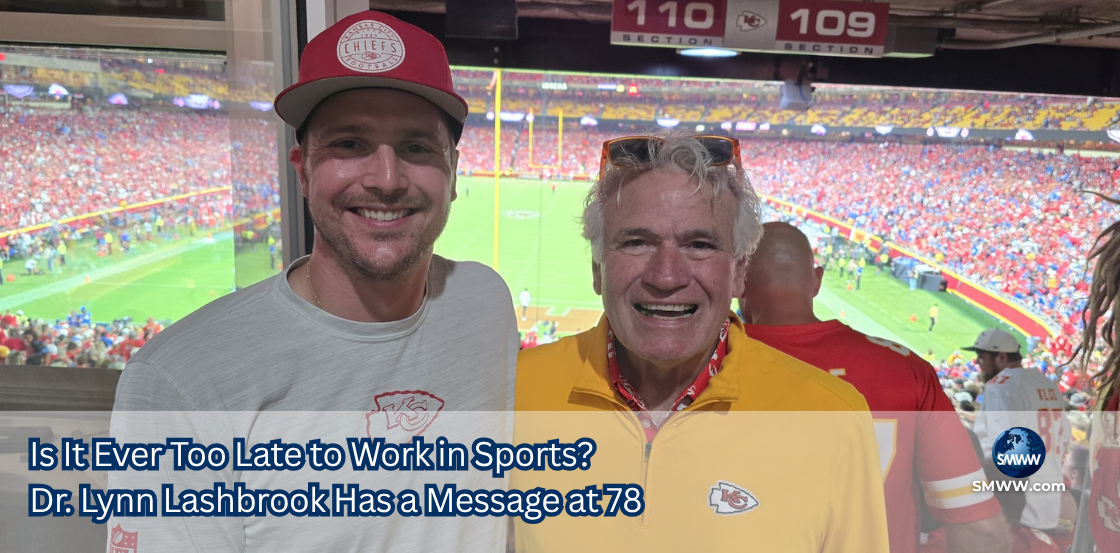
Is It Ever Too Late to Work in Sports? Dr. Lynn Lashbrook Has a Message at 78
October 12, 2026
by


Is It Ever Too Late to Work in Sports? Dr. Lynn Lashbrook Says No
Think you're too old to start a career in sports? Think again.
At 78 years old, Dr. Lynn Lashbrook, President and Founder of Sports Management Worldwide (SMWW), isn't thinking about retirement.
He's thinking about the future.
In a recent video filmed ahead of his October 11 birthday, Lashbrook reflected on a question he hears frequently: When are you going to retire?
His answer says everything about his passion for the sports industry.
“I'm not gonna quit. I'm having too much fun.”
— Dr. Lynn Lashbrook, President & Founder, Sports Management Worldwide
After more than five decades working in sports, Lashbrook continues helping people discover opportunities in an industry that has transformed dramatically throughout his career.
And his message isn't just for young people beginning their professional journeys.
Whether you're 18, 40, 55, or approaching retirement, your opportunity to work in sports may still be ahead of you.
Why It's Never Too Late to Start a Career in Sports
One of the biggest misconceptions about working in professional sports is that you must begin your career immediately after college.
But the sports industry is much bigger than the athletes, coaches, and scouts people see on television.
Professional teams, collegiate athletic departments, leagues, and sports organizations are businesses.
They need professionals with experience in:
- Sales and Marketing: Ticket sales, sponsorships, partnerships, and fan engagement.
- Business Operations: Finance, administration, management, and organizational leadership.
- Athlete Management: Player representation, contracts, endorsements, and NIL opportunities.
- Scouting and Analytics: Talent evaluation, performance analysis, and recruitment.
- Media and Communications: Broadcasting, public relations, social media, and content creation.
- Technology: Data analysis, video production, digital platforms, and performance technology.
Many of these roles require skills that professionals have already developed in other industries.
Your previous career experience could be an advantage when transitioning into sports.
Dr. Lynn Lashbrook: A Lifetime of Helping People Work in Sports
Dr. Lashbrook's career demonstrates how many different paths exist within the sports industry.
Before founding Sports Management Worldwide, he built an extensive career in collegiate athletics, coaching, administration, education, and athlete representation.
His experience includes serving as a collegiate athletic director, working as an NFL agent, and teaching future sports professionals.
Today, SMWW provides online sports business education to students and professionals around the world.
In his recent video, Lashbrook discusses the wide range of people who approach him about pursuing careers in sports, from teenagers exploring their futures to older adults considering their next professional chapter.
He also emphasizes how the global sports industry continues to evolve, creating different ways for people to become involved.
The lesson is simple: Your age doesn't have to determine whether you can pursue your passion.
What matters is identifying your strengths, developing relevant skills, and building relationships with people working in the industry.
Can You Change Careers and Start Working in Sports?
Yes. Professionals can transition into sports from other industries by applying transferable skills, gaining sports-specific knowledge, and developing industry connections.
Consider someone who has spent 20 years working in corporate sales.
That experience could be relevant to ticket sales, sponsorship development, or corporate partnerships for a professional sports franchise.
A financial analyst might explore opportunities in sports business operations, salary cap management, or analytics.
A teacher or administrator could pursue opportunities in athletic administration, player development, or sports education.
A marketing professional could apply their experience to fan engagement, athlete branding, or digital content.
The key is understanding how your existing experience connects to the needs of sports organizations.
You may not need to start your career over. You may need to learn how to apply your experience to a new industry.
Why the Sports Industry Offers Opportunities for Career Changers
The sports business continues to evolve as new leagues, technologies, sponsorship models, and international markets develop.
Areas such as Name, Image, and Likeness (NIL), sports analytics, digital media, and athlete representation have changed how sports organizations operate.
These developments create opportunities for professionals with different backgrounds and areas of expertise.
For example, the expansion of NIL has introduced new business considerations for college athletes, athletic departments, marketing agencies, and athlete representatives.
Meanwhile, the increasing use of data has made analytics relevant to scouting, coaching, marketing, and business operations.
And as sports organizations expand their international reach, professionals with experience in global business, communications, and marketing may find additional ways to contribute.
You don't have to have played professional sports to understand the business of professional sports.
How to Break Into Sports at Any Age
For someone considering a career change, the most important step is developing a realistic plan.
Start by identifying the area of sports that interests you.
Do you want to become a sports agent? Work in a professional team's front office? Help athletes build their brands? Evaluate talent? Work in sports marketing?
Once you identify your goal, focus on building the knowledge and relationships relevant to that career.
That might include taking a specialized course, attending an industry conference, connecting with experienced professionals, or gaining experience through local sports organizations.
A career change doesn't necessarily happen overnight.
But with preparation and persistence, professionals can position themselves to pursue opportunities they might not have considered earlier in life.
Don't let the number of years you've worked in another industry stop you from exploring the next chapter of your career.
How Sports Management Worldwide Helps People Transition Into Sports
Sports Management Worldwide offers online courses designed to help aspiring professionals develop sports-specific knowledge and learn from experienced industry mentors.
For career changers, several programs may be particularly relevant.
Explore athlete representation, contract negotiations, endorsements, and the business of becoming a sports agent.
Sports Media & Content Strategy
Develop skills in digital content, social media, storytelling, and sports communications.
Learn about basketball player evaluation, scouting, and front-office decision-making.
Explore the business of professional soccer, player evaluation, and talent identification.
Learn about the evolving NIL landscape and opportunities involving athlete branding, marketing, and representation.
These courses can help individuals develop relevant knowledge while connecting with professionals who understand the industry.
SMWW's mission is to help people turn their passion for sports into a professional opportunity, regardless of where they are in their career journey.
Dr. Lashbrook's Message: Your Next Chapter Could Be in Sports
At 78, Dr. Lynn Lashbrook continues doing what he loves.
Rather than focusing on retirement, he remains passionate about helping others discover their place in the sports industry.
His message is especially meaningful for anyone who has spent years thinking about making a career change but never pursued it.
Maybe you've worked in finance for 25 years.
Maybe you've built a successful career in sales.
Maybe you're approaching retirement and wondering what comes next.
Or maybe you've always loved sports but assumed the opportunity to work in the industry had passed you by.
Your experience matters. Your relationships matter. And your passion for sports can still play a role in your professional future.
The sports industry isn't reserved for one generation.
It's an evolving global business that needs professionals with different backgrounds, experiences, and skills.
You are never too old to explore a new opportunity.
And as Dr. Lashbrook demonstrates, finding work you love can make all the difference.
Ready to Explore Your Future in Sports?
Whether you're beginning your career, considering a professional transition, or looking for your next opportunity, Sports Management Worldwide can help you explore the possibilities.
Explore SMWW's Online Sports Career Courses
Schedule a Conversation With Dr. Lynn Lashbrook About Your Sports Career
Your next career chapter could be the one you've been waiting for.
Frequently Asked Questions About Starting a Sports Career Later in Life
Is it too late to start a career in sports at 40 or 50?
No. Many sports business roles require transferable skills in sales, marketing, finance, administration, technology, and leadership. Professionals in their 40s, 50s, and beyond can pursue opportunities by developing industry-specific knowledge and building relevant relationships.
Can I work in professional sports without previous sports industry experience?
Yes. Professional sports organizations employ people from many professional backgrounds. Experience in business, communications, finance, technology, and management may be relevant to certain roles, although some positions require specialized sports experience or qualifications.
What are good sports careers for someone changing industries?
Potential career paths include sports marketing, sponsorship sales, athlete management, athletic administration, event management, business operations, and sports media. The right direction depends on your existing experience, interests, and professional goals.
Can retired professionals find jobs in the sports industry?
Yes. Retired professionals may pursue full-time, part-time, consulting, advisory, or other opportunities within sports organizations. Relevant experience and the requirements of individual positions will influence which opportunities are available.
How can I become a sports agent later in life?
Start by learning about athlete representation, contract negotiations, recruiting, and the regulations governing your chosen sport. Some leagues require agents to meet specific certification requirements. Specialized education, mentorship, and professional relationships can help aspiring agents prepare.
How can Sports Management Worldwide help career changers?
Sports Management Worldwide offers online courses, mentorship, career guidance, and networking opportunities designed to help people develop skills relevant to the sports industry. Students can explore specialized fields such as athlete management, scouting, analytics, and sports marketing.
Can I speak directly with Dr. Lynn Lashbrook about changing careers?
Yes. SMWW offers opportunities to request one-on-one sports career guidance with Dr. Lynn Lashbrook to discuss professional goals and potential career pathways.