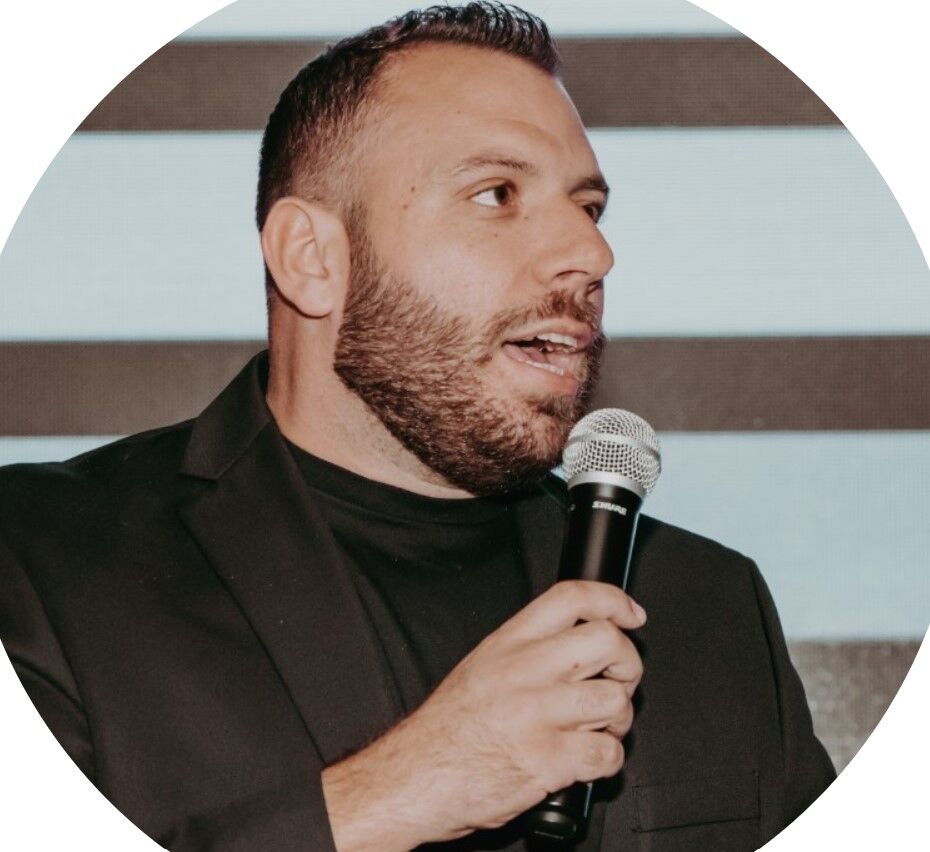
 Cody Wallce

SMWW has afforded me the opportunity to garner pearls of wisdom through it's dynamic course. The flexibility alone has allowed me to digest the material and to become one with the ethical compass that it preaches to future agents, such as myself. Dr. Lashbrook is a resevoir of knowledge concering the sports industry that motivates students to achieving their goal of becoming a sport agent.
Sports Broadcasting FAQ
Starting a Sports Broadcasting Career
 What jobs can I get in sports broadcasting?
 Sports broadcasting jobs exist at every level, from the major leagues down to high school games. Common roles include sports radio host, sports talk show host, play by play announcer, sports newscaster, sports TV reporter, weekly coaches show host, and positions with national and regional networks, professional teams, and minor league clubs
What does a sports broadcaster actually do?
A sports broadcaster informs and entertains fans by calling live games, hosting shows, conducting interviews, and delivering news and analysis on radio, television, and online platforms. Many broadcasters also research, write, and produce their own material.
Do I need on air experience or a degree to start in sports broadcasting?
No. You do not need prior on air experience to begin, and SMWW does not require a college degree to take the Sports Broadcasting course. Most broadcasters build their careers step by step, starting with internships, local broadcasts, and entry level positions, so practical experience and a network of contacts matter as much as formal credentials.
How do I get play by play experience?
The best way is to start calling games wherever you can, such as a local high school, a college, or a minor league team. In SMWW’s course, your project is designed around your goals and location. It might involve doing play by play for a local school and selling the advertising on that broadcast, job shadowing at a major network, or assisting with a minor league broadcast.
Can I start my own sports talk show?
Yes. Learning to craft your own sports talk show is a core part of SMWW’s Sports Broadcasting course. You learn how to plan a show, conduct interviews, speak the industry’s language, and promote yourself, which gives you the tools to host your own show or call a team’s games.
Is Sports Broadcasting still a good career?
Yes. Sports talk has not been replaced by technology, and fans still tune in to hear hosts discuss their local team, deliver national analysis, and break news. Social media and streaming have created even more places for broadcasters to build an audience, and new shows and markets keep appearing. Employers look for people trained with up to date information and fresh ideas
About the SMWW Sports Broadcasting Course
Will the Sports Broadcasting course help me get a job?
It can help, though no course can guarantee a job. For eight weeks you learn alongside veteran broadcaster Dei Lynam, Dr. Lynn Lashbrook, guest speakers, and classmates who share your goal, so you gain both the knowledge and the contacts. You also learn the techniques and strategies that professional teams and networks use today. The skills and relationships you build can be what beats the competition for an internship or entry level position.
What topics does the Sports Broadcasting course cover?
The course covers the basics and inside secrets of live sports broadcasting, play by play announcing, weekly coaches shows, pre game and post game interviews, interview strategies, industry jargon, selling advertising, how to start a broadcasting program, and career strategies. Students also gain on air experience.
Do I really get to talk with Dei Lynam every week?
Yes. Throughout the eight week course, Dei Lynam leads a live, hour long video chat where you can ask questions and discuss your work with instructors and classmates. Guest speakers, including well known announcers and sports talk radio hosts, join several sessions. If you miss a live chat, it is archived so you can watch whenever it is convenient.
What is the difference between Sports Sales and Marketing and Sports Broadcasting?
Sports Sales and Marketing helps students land an entry level job in any professional sports organization as quickly as possible, covering ticket and sponsorship sales and including a project with a major or minor league team. Sports Broadcasting is focused entirely on sports announcing, including play by play, reporting, and putting together a complete broadcast. If you are unsure which fits your goals, SMWW’s staff will gladly help you choose.
Do I need special equipment or technical skills for this course?
You need a computer with internet access, and course books are mailed directly to you. Some of the materials are so specialized that bookstores do not carry them. If technology feels intimidating, SMWW’s technical support team can help with everything from microphone setup to troubleshooting.
How old do I have to be to take the Sports Broadcasting course?
You must be eighteen or older to enroll.
What if I need one-on-one assistance?
SMWW staff are available by phone throughout the course for one on one help with coursework, live sessions, or career questions. Call 1 877 SMWW NOW in the United States and Canada, +44 0 871 288 4799 in the United Kingdom, or +1 503 445 7105 from anywhere else. Our offices are in Portland, Oregon, and London, England.
Do you have more questions?
Call the office and ask! 1-877-SMWW-Now in the US or Canada. In London at +44(0) 871 288 4799. Everywhere else at +1-503-445-7105